Rabbit farming sector in decline
Rabbit farming is mainly carried out in 5 European Union countries: Spain, Portugal, Italy, France and Hungary. And, although they have certain differences, the production model is similar and reproduces the same health problems for animals.
The latest report on rabbit farming from the Ministry of Agriculture, Fisheries and Food describes as “concerning” the continued decline experienced by the sector's figures since 2015. Only between 2022 and 2023, 11% of rabbit meat farms have ceased their activity, leaving currently 1,412 such farms active in Spain. The animal census has also been reduced by 6.6% compared to the previous year.
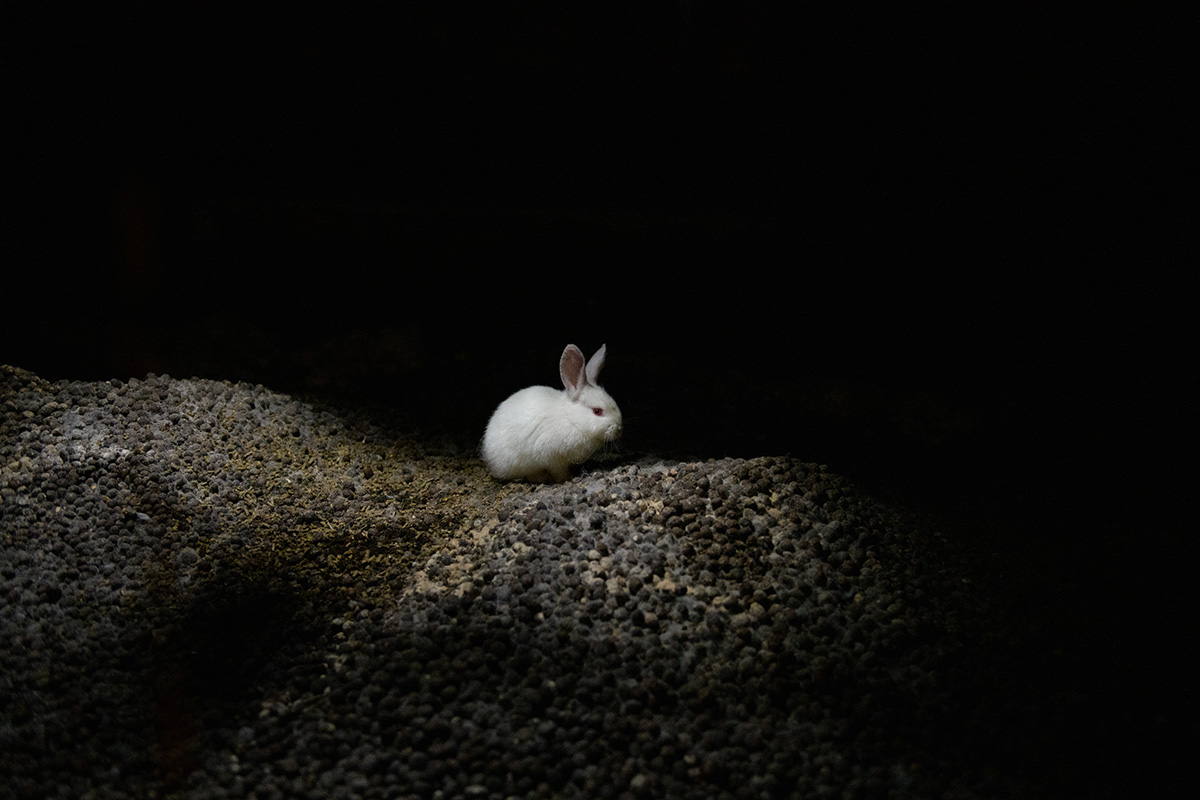
Regarding households, spending on rabbit meat fell by 19.25% between 2021 and 2022, and per capita consumption - currently at 0.75 kg - has halved since 2008. However, Spain remains the leader in production and consumption in Europe, followed by Italy and France.
The Spanish Association of Rabbit Farmers itself has recognized in a recent report that “rabbit meat is mostly marketed with the head and this presentation clashes with the growing perception of the rabbit as a pet and with the lack of habitual consumption of this type of meat by the younger population”. This has forced the sector to evolve towards formats that facilitate dissociation between the animal and the product, such as hamburgers or meatballs.
While exports have decreased by 19.6% in the period 2022 to 2023, imports have increased by almost 58%, with Portugal being the main trading partner in both transactions.
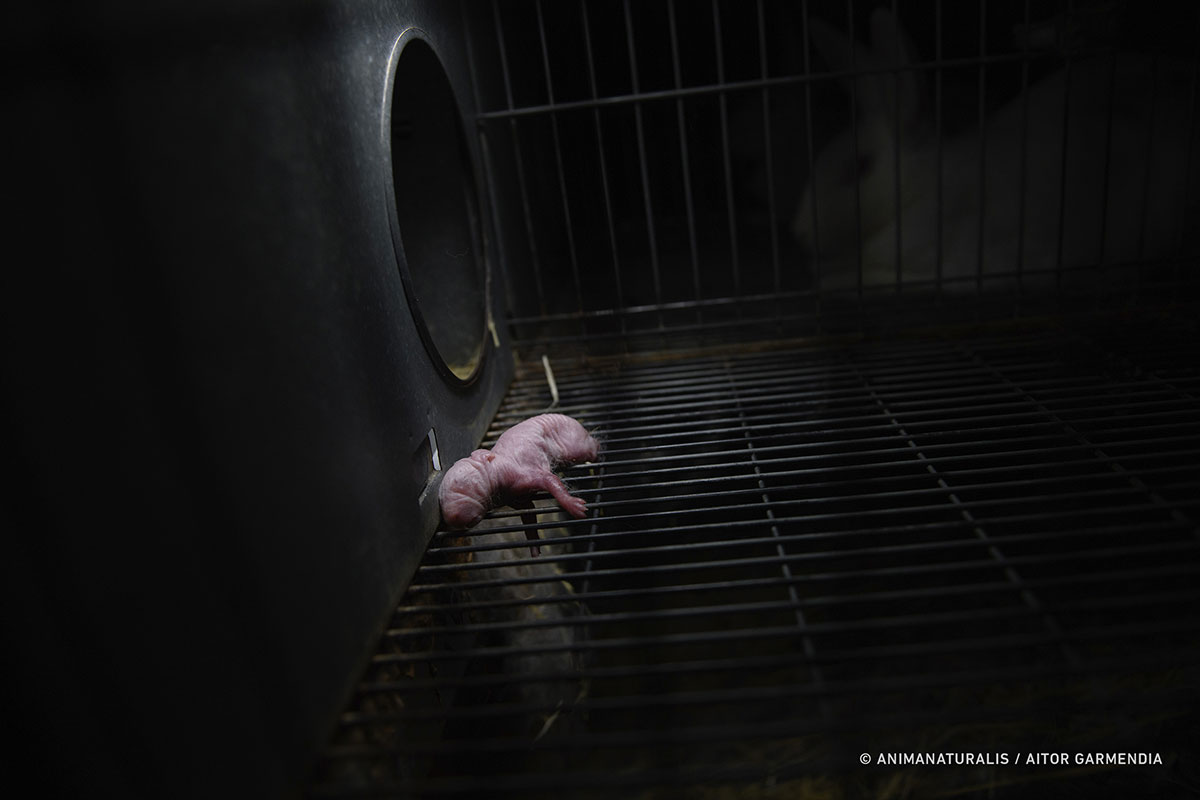
These data confirm the acute structural crisis that the industry itself has been lamenting for years. Rabbit consumption has collapsed largely due to cultural and social factors and greater empathy from consumers, while producing companies have been squeezed by rising costs.
This situation has led to the creation of alliances to try to encourage consumption at all costs. Since 2022, the European Rabbit Association exists, bringing together national associations from Germany, Belgium, Spain, France, Hungary, Italy, Czech Republic, Netherlands, Poland and Portugal.
In 2018, INTERCUN and ASPOC launched a three-year campaign called El Secreto de la Carne de Conejo (The Secret of Rabbit Meat) with European public funds to whitewash the rabbit farming industry in Spain and France, without apparent success.
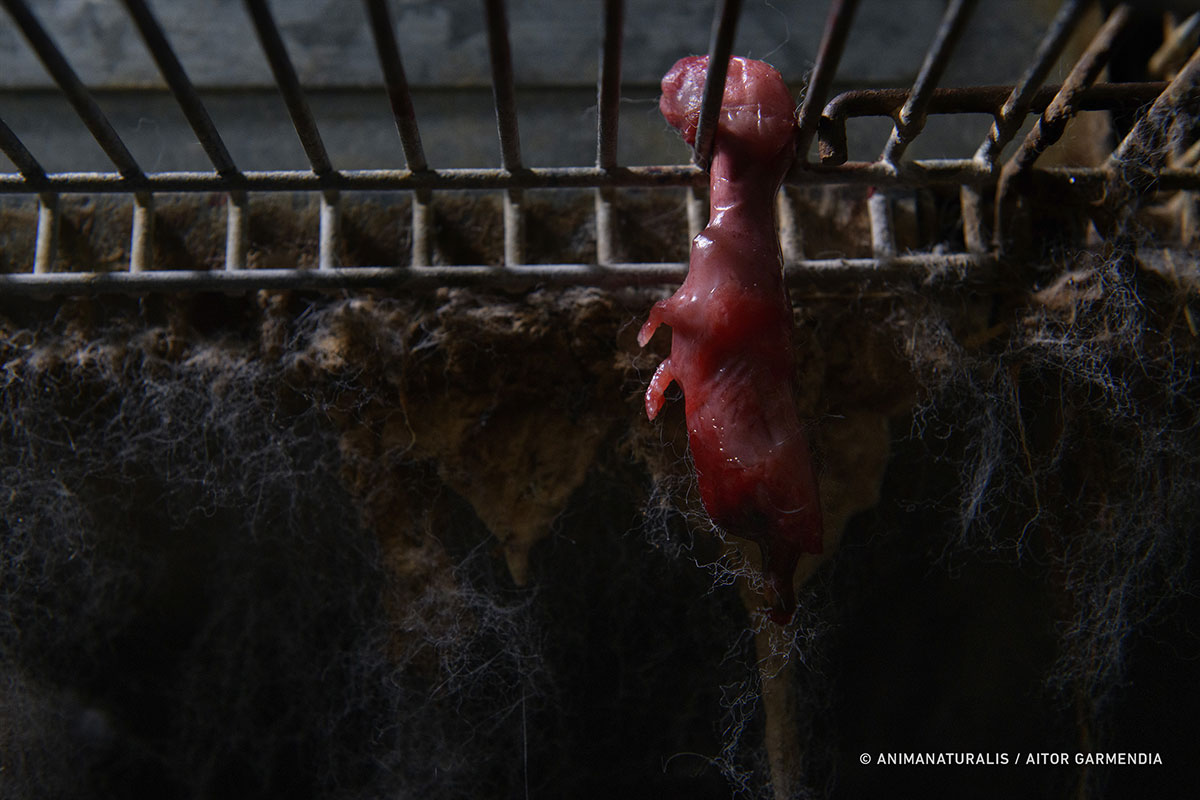
In the Netherlands and Hungary, better welfare standards are taken into account due to the demands of the countries to which their production is destined. Spain was singled out by the EFSA in 2020 for maintaining the worst housing system and showing no intention of trying alternatives.
Conventional cages represent the greatest threat to rabbit welfare due to movement restriction (with 66-99% certainty). The other methods used in Europe are enriched pens, structurally enriched cages, elevated pens, outdoor systems and organic systems.
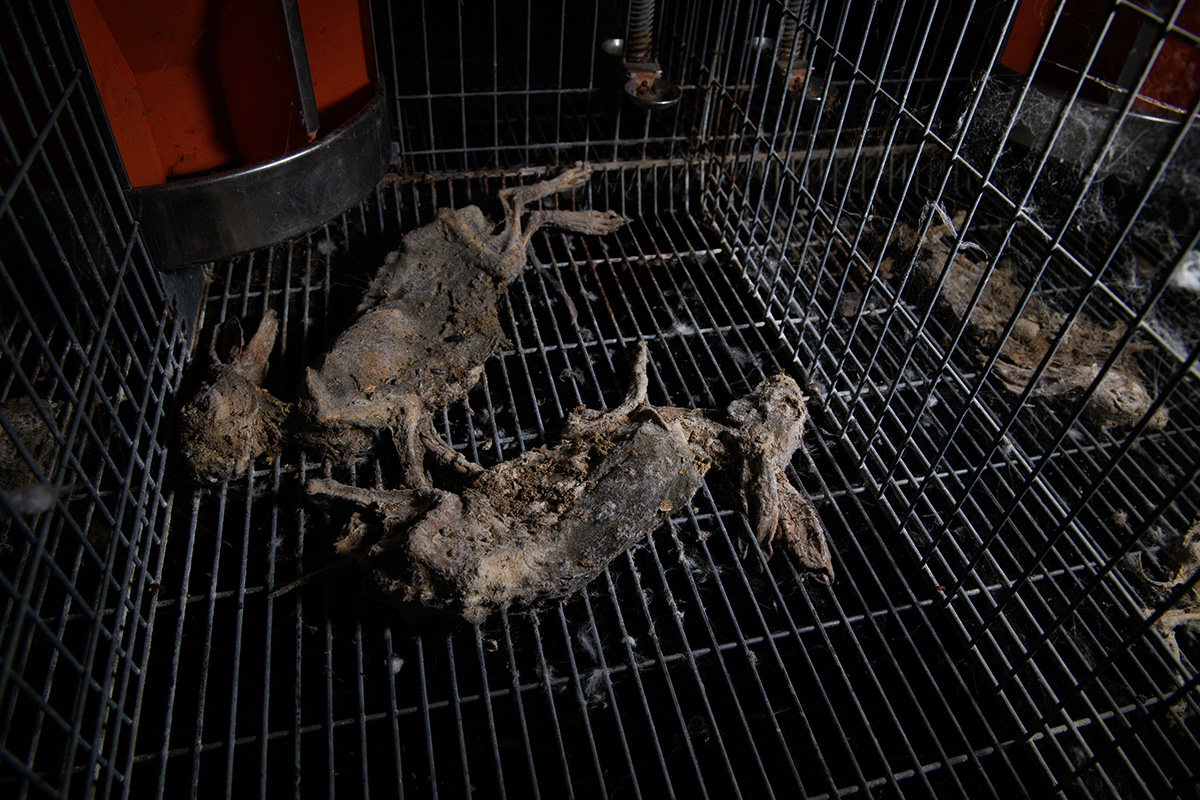
Probably in response to the general ban on cages planned for 2027, the Institute of Agrifood Research and Technology of the Generalitat of Catalonia announced in April 2023 that it will begin testing a new cage-free rabbit rearing system. Only in this Autonomous Community have 30% of farms closed in the last four years.